

Introduction
Being young often feels like having endless energy—but the truth is, today’s youth are facing more health challenges than ever before. From the pressure of academics and work to social media stress and poor lifestyle habits, many young people feel physically and mentally drained.
Skipping meals, staying up late scrolling through Instagram, and constantly battling anxiety have become normal for many students and young professionals. But this “always-on” lifestyle takes a toll on your health. And the habits you build in your youth will shape your well-being for years to come.
The good news? Small, intentional changes can help you feel better, think sharper, and enjoy life more. This article is your complete guide to building a healthy lifestyle—physically, mentally, and emotionally.
Section 1: Why Health & Wellness Matter
Health isn’t just about avoiding illness; it’s about having the energy and strength to chase your dreams. When you’re healthy, you perform better in school, work, and relationships.
Call-out Quote:
“Your health is your first investment. Everything else depends on it.”
Poor health habits can lead to fatigue, low focus, and stress, which ultimately hold you back from your goals. By prioritizing your health now, you’re setting yourself up for a brighter future.
Section 2: Physical Health – Building a Strong Foundation
1. Nutrition: Fuel Your Body the Right Way
Many youth skip meals or depend on junk food because of busy schedules. But your body needs balanced nutrition to stay energetic.
-
Eat whole foods: Focus on fruits, vegetables, whole grains, and lean proteins.
-
Stay hydrated: Drink at least 2-3 liters of water daily. Dehydration can cause fatigue and headaches.
-
Limit processed foods: Reduce sugary drinks, chips, and fried snacks.
-
Don’t skip breakfast: A healthy breakfast kickstarts your metabolism and helps you concentrate better.
Tip: Meal prep on weekends so you always have healthy options ready.
2. Exercise: Move Your Body Every Day
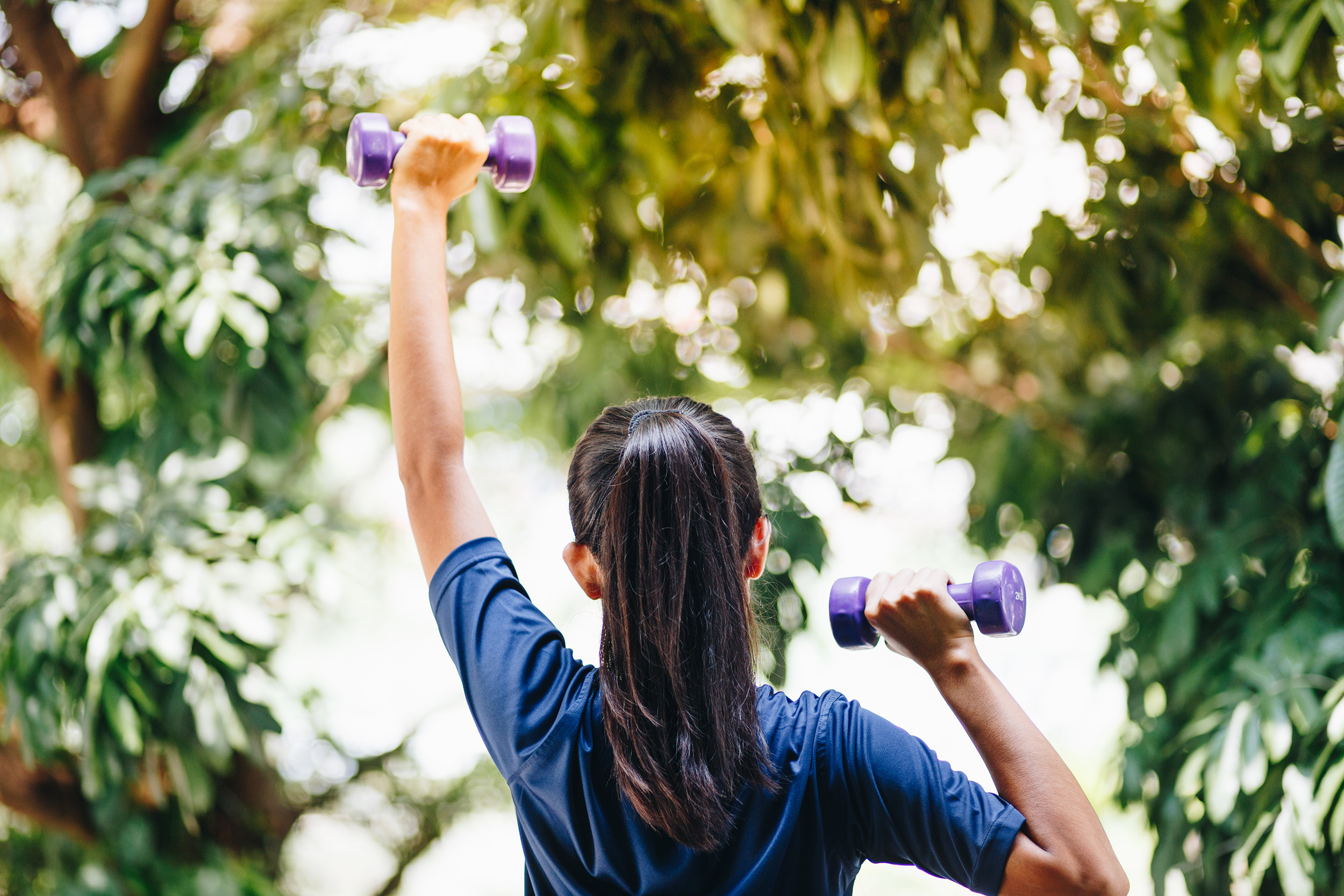
Regular physical activity keeps your heart strong, builds stamina, and improves mood.
-
Aim for 30 minutes of exercise, 5 days a week.
-
Mix activities: jogging, cycling, dancing, yoga, or even walking.
-
Choose what you enjoy—consistency matters more than intensity.
-
Use your phone’s step counter and target 8,000–10,000 steps daily.
Call-out Quote:
“Exercise is the most powerful antidepressant—and it’s free.”
3. Sleep: Recharge Your Mind
Sleep is often the first thing youth sacrifice for studies or entertainment. But without proper rest, your body and brain can’t function well.
-
Aim for 7–9 hours of sleep every night.
-
Create a bedtime routine: no screens an hour before bed, read or meditate instead.
-
Keep a consistent sleep schedule, even on weekends.
Section 3: Mental & Emotional Well-being
Mental health is just as important as physical health. Stress, anxiety, and depression are common among young people, but you can take steps to care for your mind.
1. Manage Stress
-
Break big tasks into smaller steps.
-
Learn to say no when your schedule is full.
-
Practice deep breathing or meditation for 5–10 minutes daily.
2. Digital Detox
Social media can be inspiring, but it can also fuel comparison and stress.
-
Set time limits for apps like Instagram or TikTok.
-
Unfollow accounts that make you feel bad about yourself.
-
Schedule “offline hours” daily to focus on real-life connections.
Call-out Quote:
“Your mental space is precious. Protect it.”
3. Build Emotional Resilience
Resilience is the ability to bounce back from challenges.
-
Accept that setbacks are part of life.
-
Focus on solutions, not problems.
-
Surround yourself with supportive friends and mentors.
Section 4: Healthy Relationships
Your relationships play a big role in your wellness.
-
Positive friendships: Spend time with people who lift you up.
-
Set boundaries: It’s okay to distance yourself from toxic relationships.
-
Open communication: Share your feelings honestly with trusted friends or family.
Section 5: Avoid Harmful Habits
Many young people experiment with smoking, alcohol, or drugs out of curiosity or peer pressure. But these habits can harm your body and mind in the long term.
-
Learn to say no confidently.
-
Find healthier ways to cope with stress—exercise, journaling, music.
-
If you’re struggling with addiction, seek professional help early.
Section 6: Preventive Health Care
Preventing health issues is easier than fixing them later.
-
Get regular health check-ups, even if you feel fine.
-
Stay up-to-date with vaccinations.
-
Pay attention to warning signs: unexplained pain, changes in appetite or sleep, constant fatigue.
Section 7: Balancing Studies, Work, and Wellness
One of the biggest challenges for youth is finding time for health in a busy schedule.
-
Plan your day: Use planners or apps to schedule study, work, exercise, and relaxation.
-
Don’t multitask too much: Focus on one thing at a time to avoid burnout.
-
Take breaks: A 5-minute break every hour improves productivity and focus.
Call-out Quote:
“Balance is not something you find; it’s something you create.”
Section 8: Mindset Matters
A positive mindset is key to long-term wellness.
-
Practice gratitude: Write 3 things you’re thankful for each day.
-
Celebrate small wins: Progress, not perfection, keeps you motivated.
-
Be kind to yourself: Don’t be too harsh when you make mistakes.
Section 9: Real Stories – Youth Who Chose Wellness
1. Kavya – Overcoming Exam Stress
Kavya, a college student, used to stay up all night before exams. She suffered from anxiety and poor grades. By creating a balanced routine—regular study hours, yoga, and early sleep—she improved both her marks and her mental health.
2. Rohit – From Fast Food to Fit
Rohit lived on burgers and fries. He felt constantly tired. He started cooking simple healthy meals and joined a local football club. Within six months, he lost weight and felt more confident.
3. Sana – Healing Through Therapy
After a breakup, Sana struggled with depression. She reached out to a counselor, started journaling, and joined a volunteer group. Today, she’s happier and more emotionally strong.
Call-out Quote:
“Wellness is a journey. Every step counts.”
Section 10: Wellness for the Long Term
Health is not a one-time goal; it’s a lifelong journey.
-
Keep experimenting with routines until you find what works for you.
-
Remember that wellness is holistic: mind, body, and relationships all matter.
-
Be flexible—life will change, and so will your needs.
Conclusion – Start Small, Start Today
Youth is the best time to build healthy habits. By focusing on balanced nutrition, regular exercise, quality sleep, and mental well-being, you’re not just improving your present—you’re investing in your future.
Ask yourself:
-
Can I go for a 20-minute walk today?
-
Can I replace one junk meal with something healthier?
-
Can I put my phone away 30 minutes before bed?
Start small. Those small choices will add up to a healthier, happier life.
Final Call-out:
“Your health is your greatest wealth. Protect it now, enjoy it for life.”
Want more youth-focused health tips? Tune in to BBM Radio – Baton Baton Mein for shows on fitness, nutrition, mental health, and everything you need to live your best life!